Introduction
In a city like Vancouver—where commercial real estate is competitive, diverse, and expensive—businesses rarely find a leased space that is perfect from day one. Most offices, clinics, and retail units require customization, functional upgrades, and brand-aligned interior design before they’re ready for everyday operations. This is where tenant improvement contractors play a crucial role.
Tenant improvements (TIs) are highly strategic projects that enhance workflow, elevate aesthetics, and ensure a business can operate efficiently within its leased environment. Whether it’s a startup setting up its first office, a physiotherapy clinic expanding to serve more patients, or a dental practice rebranding to modernize its space, TI contractors help transform raw space into a fully optimized workplace.
This article explores how TI contractors reshape Vancouver business spaces, the benefits they bring, and why partnering with an experienced Vancouver commercial renovation company like RCL Projects can dramatically improve project success.
1. Understanding Tenant Improvements (TIs)
Tenant improvements refer to any modifications made to a leased commercial unit to suit a tenant’s operational needs. These upgrades vary widely depending on the business sector, space condition, and company goals.
Common Types of Tenant Improvements
Space layout changes – new walls, partitions, or open-concept conversions
Flooring upgrades – vinyl plank, carpet tile, epoxy, or commercial hardwood
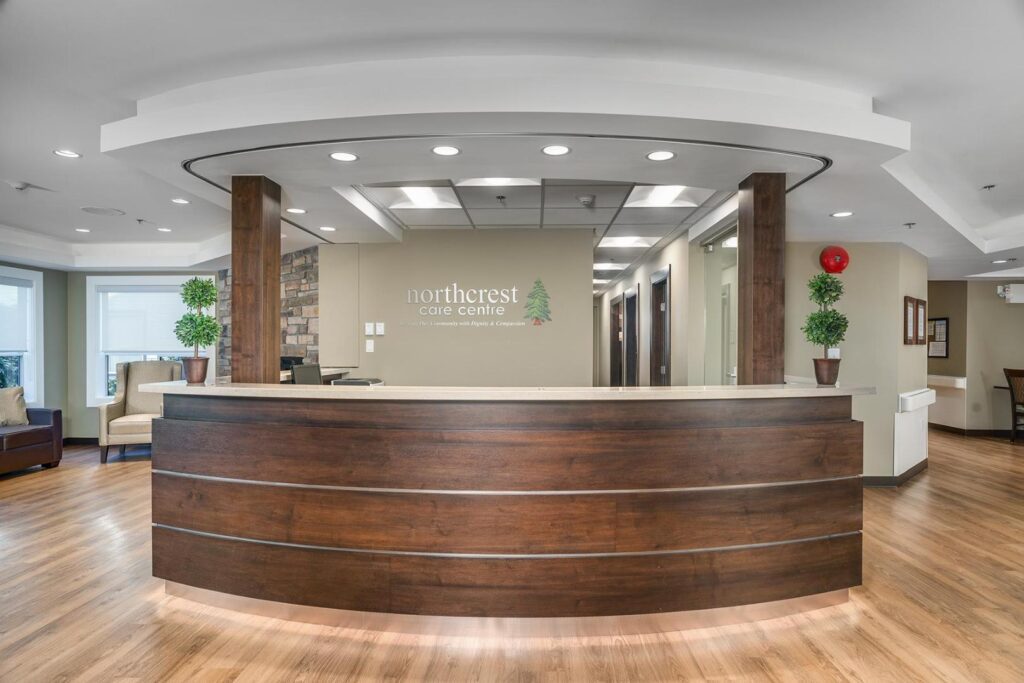
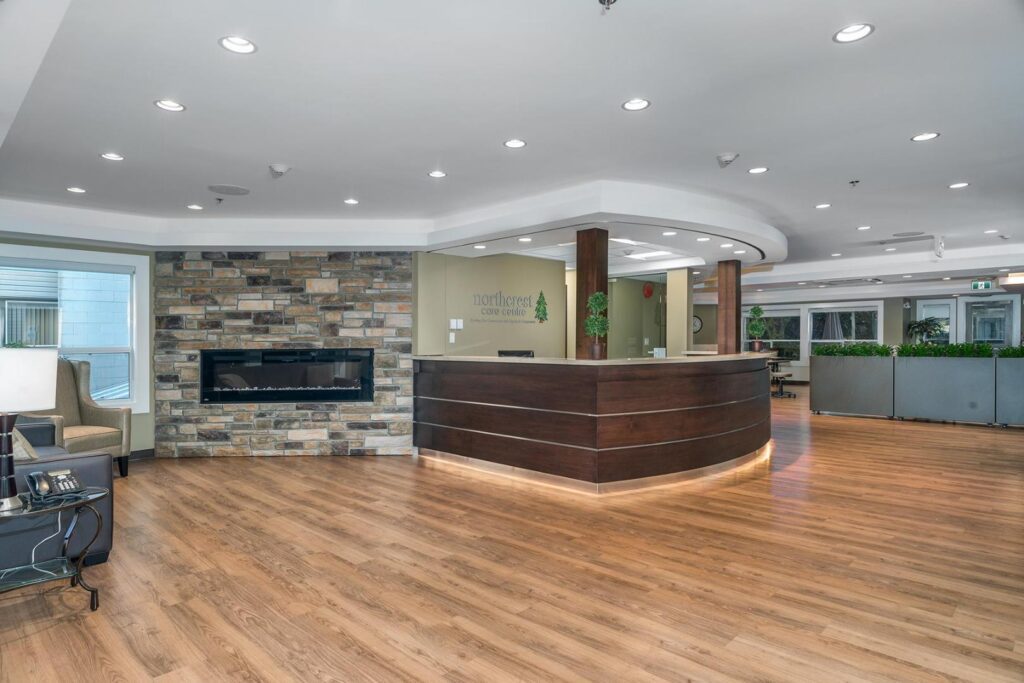
Custom millwork – reception desks, office storage, treatment room cabinetry
Lighting & electrical enhancements
HVAC adjustments for comfort and energy efficiency
Interior design & finish selection
Brand-focused upgrades (feature walls, signage, color palettes)
Plumbing & wet rooms (especially for clinics and dental practices)
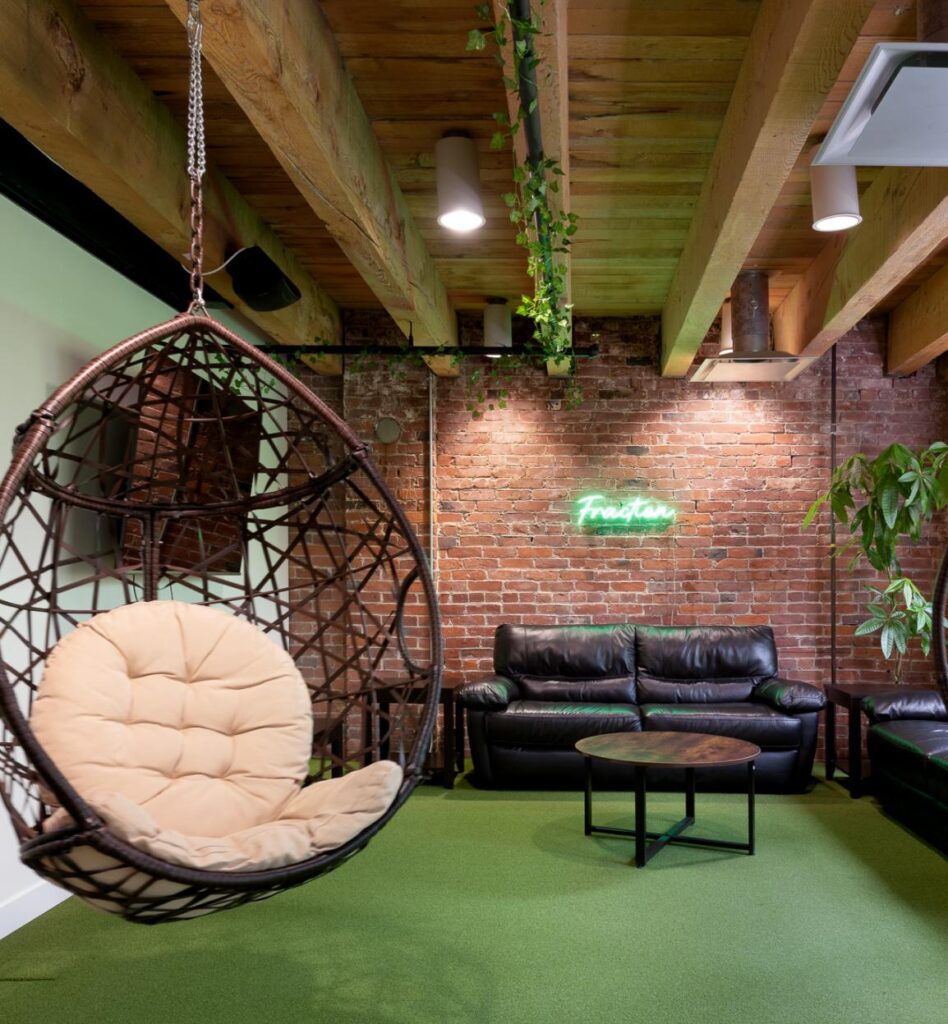
Staff amenities like kitchens, lockers, or lounge areas
TIs vary from modest cosmetic upgrades to full-scale renovations that reconfigure the space entirely.
2. Why Vancouver Businesses Need Tenant Improvements
Vancouver’s commercial market is driven by high demand, limited space, and diverse industries—from healthcare to technology to boutique retail. Most businesses must adapt the leased space to fit their workflows, equipment, and brand.
Key Reasons for TIs:
✓ To Maximize Space Efficiency
In a city where every square foot matters, efficient layouts dramatically improve operations.
✓ To Meet Industry Regulations
Healthcare, dental, and wellness spaces must follow strict building codes, accessibility standards, and ventilation rules.
✓ To Enhance Customer Experience
First impressions matter. A business environment influences trust, comfort, and brand perception.
✓ To Support Employee Productivity
Modern workplaces require ergonomic zones, quiet rooms, collaborative spaces, and smart tech integration.
✓ To Align with Brand Identity
Colors, materials, lighting, and layout shape how customers perceive the business.
3. How Tenant Improvement Contractors Transform Spaces
A skilled TI contractor brings far more value than simply performing construction work. The transformation process includes planning, coordination, and design expertise.
3.1 Space Assessment & Functional Planning
Contractors evaluate:
Existing structural conditions
Mechanical and electrical systems
Natural light and workflow
Demolition requirements
Feasibility of layout ideas
This determines what upgrades are possible within the budget and building rules.
3.2 Code Compliance & Permit Management
Vancouver requires strict adherence to:
Fire safety
Plumbing and electrical codes
Building accessibility
HVAC performance
Health authority standards
TI contractors ensure all drawings, permits, and inspections are properly handled.
3.3 Design Collaboration
Contractors work closely with interior designers and architects (or offer in-house design-build services) to integrate:
Aesthetic goals
Functional flow
Lighting styles
Material selections
Brand storytelling
3.4 Construction & Execution
This includes:
Demolition
Framing & drywall
Flooring installation
Millwork
Painting & finishes
Plumbing & electrical
Touch-ups and deficiencies
Professional TI teams maintain timelines, quality, cleanliness, and communication.
4. TI Transformations by Business Type
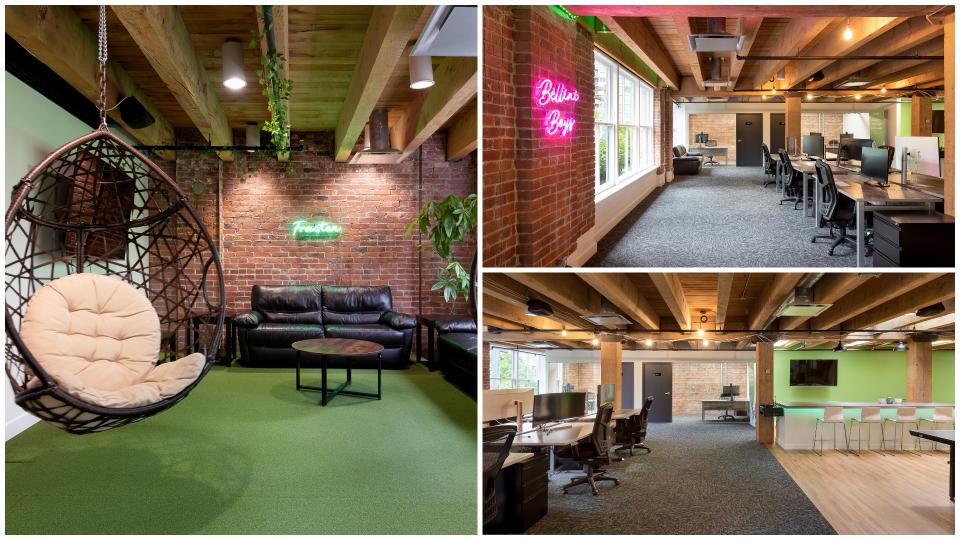
4.1 Office Spaces
TI contractors help companies create:
Hybrid work environments
Private meeting rooms
Collaboration lounges
Kitchens and staff amenities
Acoustic solutions for open-plan layouts
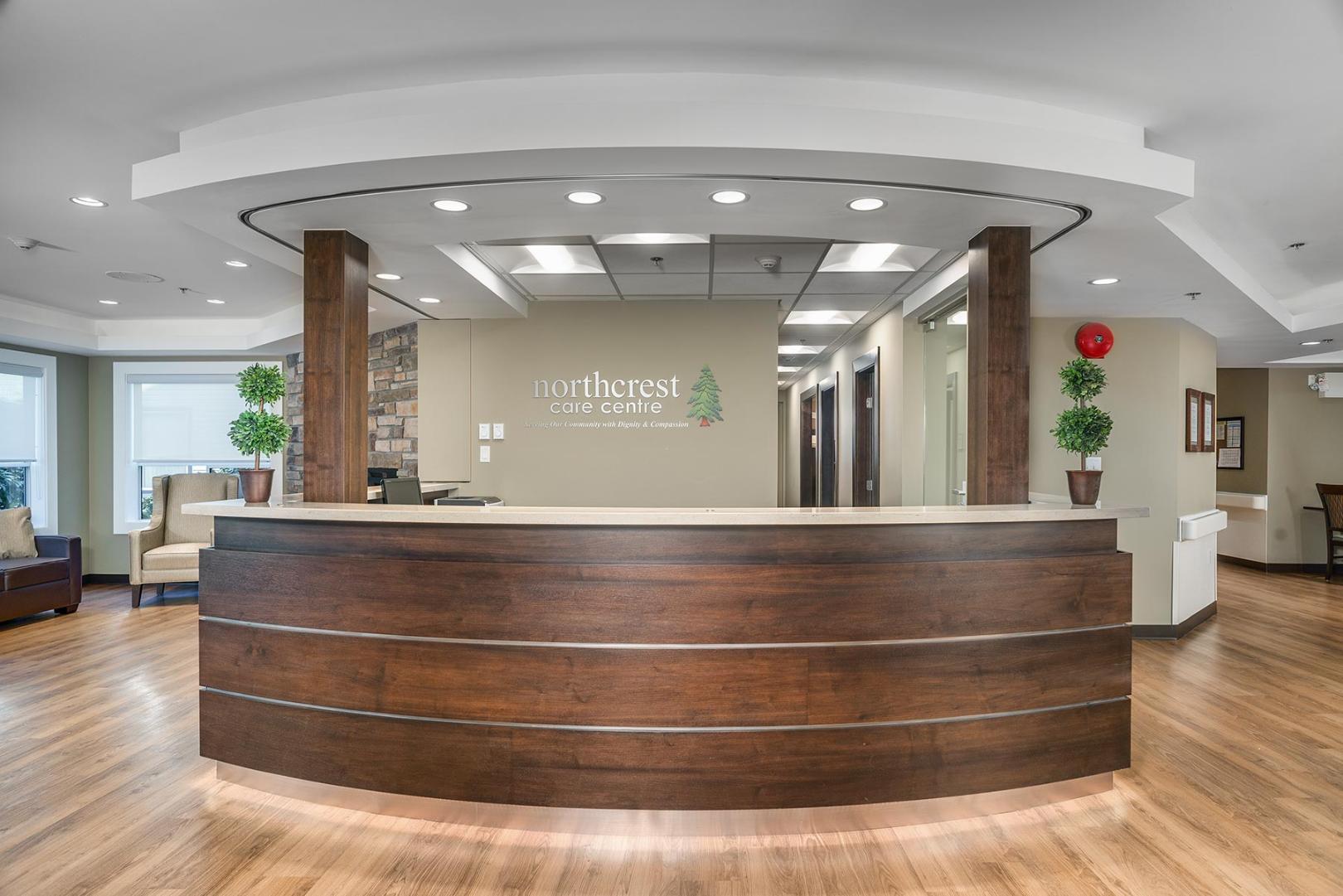
4.2 Physiotherapy & Medical Clinics
These spaces need:
Treatment rooms
Reception zones
Durable healthcare-grade materials
Plumbing and washroom upgrades
Accessibility features
4.3 Dental Clinics
Dental TIs often include:
Connected plumbing runs
Sterilization rooms
X-ray and imaging rooms
Custom dental cabinetry
Operatory room design
4.4 Retail Stores
Retail TI focuses on:
Display lighting
Cash wrap stations
Flooring durability
Back-of-house organization
Brand-forward design
5. The Benefits of Hiring Specialized TI Contractors
✓ Faster and more accurate project planning
✓ Smooth communication with landlords & city inspectors
✓ Better budgeting and fewer surprises
✓ High-quality workmanship
✓ Industry-specific expertise
✓ Better control over timelines
In Vancouver’s high-demand construction environment, choosing the right contractor saves both time and money.
Conclusion
Tenant improvements are essential for transforming leased commercial units into practical, attractive, and efficient environments aligned with business goals. Whether it’s a clinic, office, or retail space, a knowledgeable TI contractor ensures high-quality execution, code compliance, and a space that elevates your brand.